Four hundred years before artificial intelligence began moving information and taking action across global networks, the Dutch West India Company—often shortened to the WIC—was already confronting a remarkably modern problem: how do people govern a powerful system operating far beyond their immediate sight?
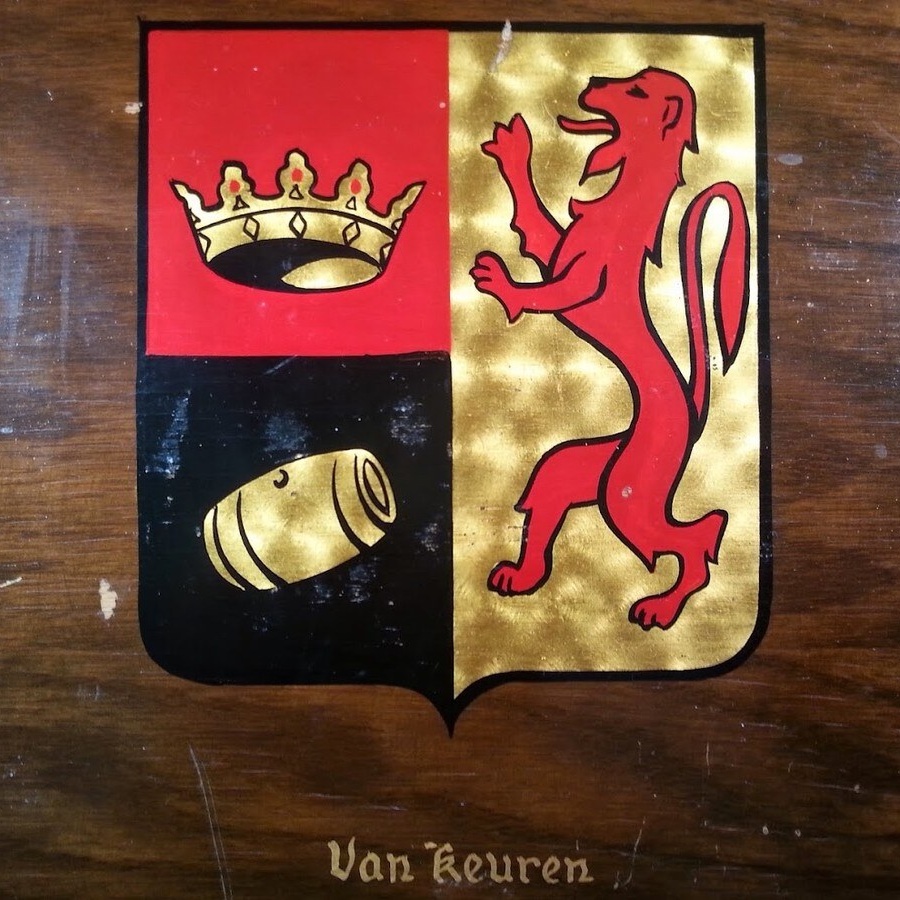
My mother, Patricia Van Keuren Gehrkens, saved an extraordinary family archive: photographs, letters, historical records, and a 106-page family history compiled in 1990. Among the people named in that genealogy is one of my grandfathers many generations back, Matthys van Keulen, identified as a Lord Director connected with the Amsterdam chamber of the Dutch West India Company.
That was not an honorary title. The Lord Directors helped govern one of the most powerful commercial and military organizations of the seventeenth century. They sat far from the Caribbean, yet their decisions could send ships, money, weapons, and men across an ocean.
That is where this story begins: with power traveling over great distances, decisions separated from their consequences, and the enduring question of who remains responsible.
The Dutch West India Company was built to project power
The WIC connected investors, government authority, regional chambers, directors, commanders, ships, soldiers, merchants, and information across thousands of miles. Instructions left Europe and became actions in places the directors might never see. Reports traveled back slowly. People at the edges of the system often experienced the consequences long before anyone at the center could review them.
It was innovative, distributed, and extraordinarily capable. It was also part of a colonial system that used warfare, exploitation, and slavery. Its history shows the danger of allowing capability and commercial ambition to travel farther and faster than accountability.
A system can extend human power without extending human responsibility.
The Dutch West India Company operated in the world of the Florida Keys
In Dutch records, the island chain we know today as the Florida Keys appeared as the Cayes or Caijes de Florida. This was not an empty edge of a map. It was part of the sea road between Cuba, the Florida Straits, and the Atlantic—the route Spanish treasure ships had to travel on their way home.
The Dutch West India Company knew those waters. A Dutch National Archives record from October 6, 1640, says Admiral Cornelis Jol captured the prize ship Bon Succes at “Caijes de Florida.” The archive itself identifies that location as the Florida Keys. A related record places Jol near Havana the following day.
In other words, WIC ships were operating in the same maritime corridor that would later become home to my family.
Twelve years before Jol’s recorded capture in the Keys, Admiral Piet Hein carried out the action that made him famous. In 1628, his WIC fleet pursued the Spanish silver fleet into Matanzas Bay, Cuba. The Dutch ships closed around the Spanish vessels inside the bay, cut off their escape, and seized the treasure fleet and its cargo.
It was one of the most extraordinary maritime captures of the seventeenth century. Silver, trade goods, ships, and imperial power changed hands in a single operation just across the Florida Straits.
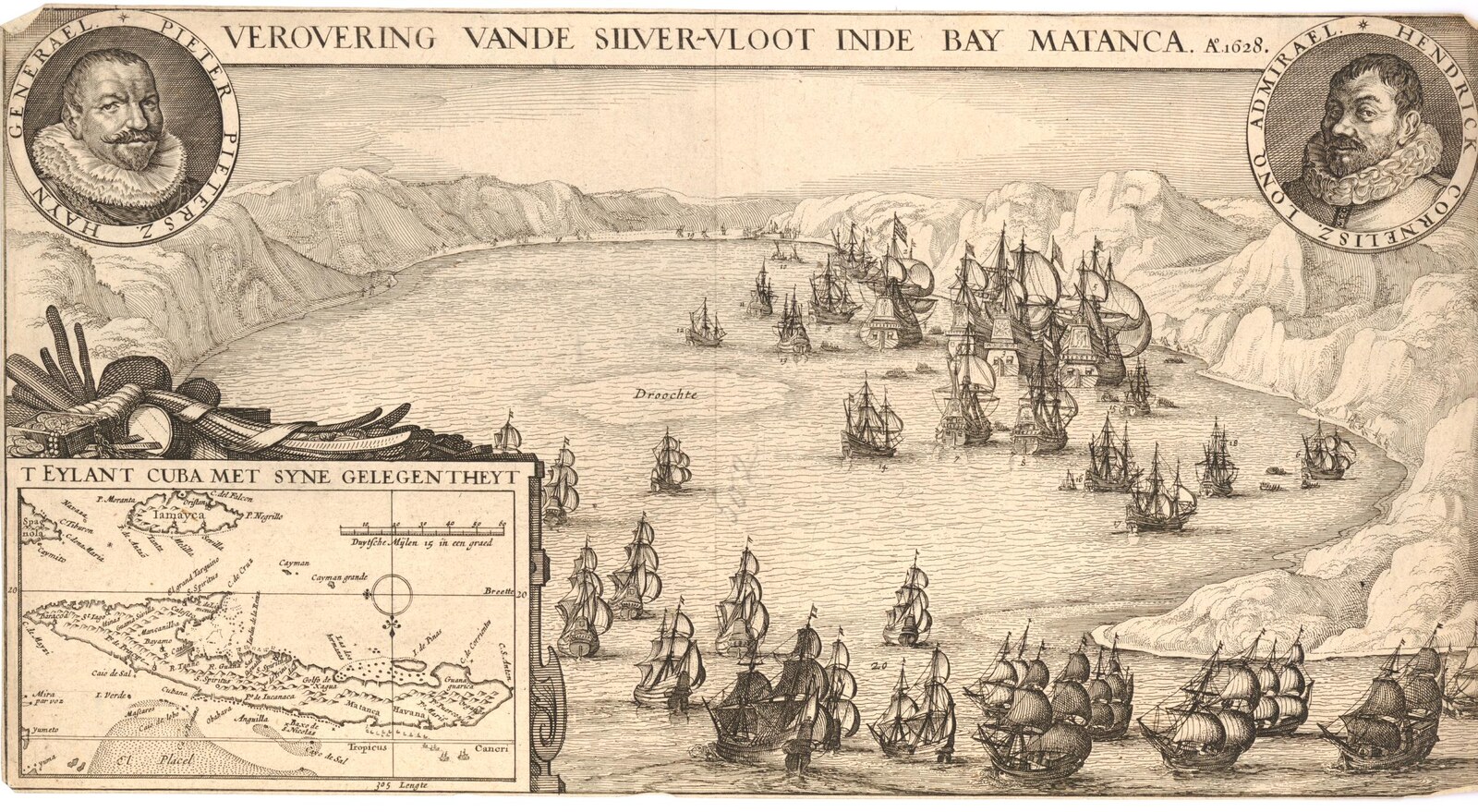
These events make the history concrete. A company governed from Europe could direct fleets across the Atlantic, exercise military force near the Florida Straits, and change the ownership of ships and cargo in a single operation. The scale was new for its time, but the governance question is familiar today.
But family history does not give me permission to invent what the records do not say. I have not found a crew list or ship log placing Matthys van Keulen aboard Piet Hein’s fleet or Jol’s ship. The archive connects my family history to the governing world of the WIC; it does not place my ancestor on the deck during the battle.
That difference matters. A flowing story can still be an honest one.
Historical distance should not soften the consequences. The WIC’s reach affected real people, communities, and nations. The lesson is not about celebrating its power. It is about understanding what happens when a system becomes capable of consequential action before responsibility is clear and enforceable.
Capability does not equal authority.
Aviation was already part of the family story
Long before my father taught me to understand a machine, aviation was already part of my mother’s family.
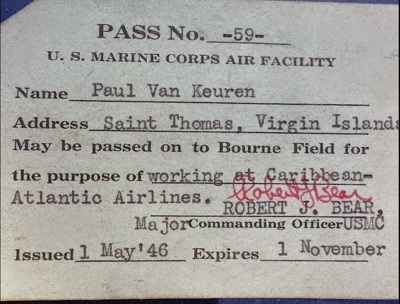
My maternal grandfather, Paul R. Van Keuren, built a life around airplanes. The family archive includes a 1946 U.S. Marine Corps Air Facility pass bearing his name, giving his address as Saint Thomas in the Virgin Islands, and authorizing access to Bourne Field for airline-related work. A surviving obituary later remembered him as a former Columbus test pilot for North American Aviation, while a St. Louis Flying Service card identifies him as the company’s sales manager.
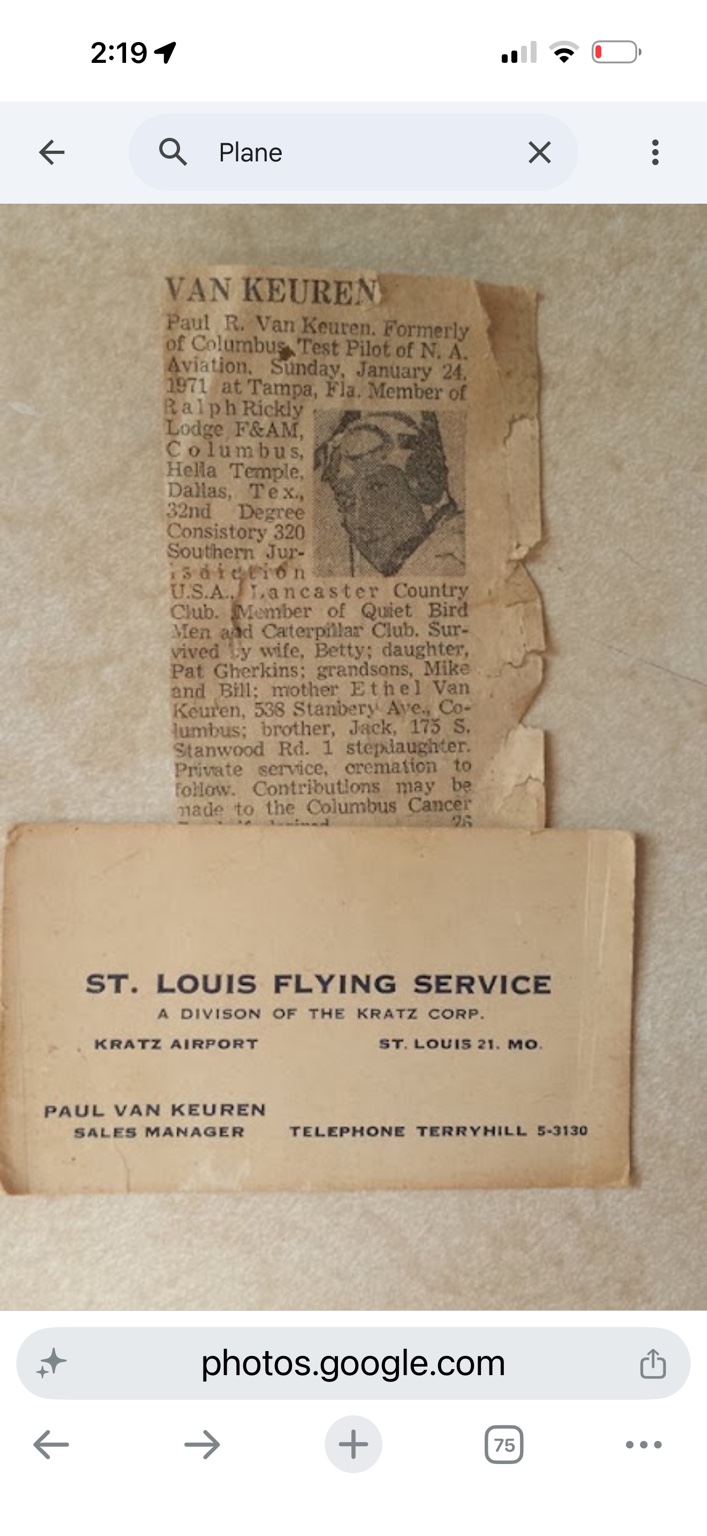
Family history adds the part the surviving papers do not fully tell. It says Paul flew mail between Miami and the Caribbean. One Christmas, a rare late-season hurricane near Fort Pierce made the return flight impossible, leaving him to spend Christmas in Key West instead of at home.
I have not yet recovered the flight log or weather record that would independently establish the date and route. I preserve the episode here as the family told it. The documents establish Paul’s aviation life; the Christmas flight remains family history until more records are found.
That makes Key West more than a place our family discovered years later. It was already part of the family’s aviation story.
My father taught me to understand the machine
My connection to technology started long before artificial intelligence.
My father, George R. Gehrkens, joined North American Aviation before World War II and worked in the early P-51 Mustang engineering organization. By 1944, company records identified him as a Project Engineer and the author of a technical article titled Design Breakdown of the P-51 Mustang.
His career continued through the jet age. Surviving records document his rise to Chief Engineer of North American Aviation’s Columbus Division and later executive leadership. Aircraft associated with his career include the F-86 Sabre, FJ Fury, T-2 Buckeye, OV-10 Bronco, and A3J/A-5 Vigilante.
Aircraft and engineering roles
P-51 Mustang: Project Engineer, as identified in his 1944 technical article. Jet and naval aircraft: Chief Engineer at North American Aviation and later Chief Engineer of the Columbus Division, followed by executive leadership. The F-86 Sabre, FJ Fury, T-2 Buckeye, OV-10 Bronco, and A3J/A-5 Vigilante belong to that broader career history; these are career roles rather than a claim that he held the same title on every program. The Ohio Society of Professional Engineers’ historical account also identifies him as North American Aviation’s Chief Engineer.
Three patents from my father’s engineering career
These North American Aviation patent records credit George R. Gehrkens as an inventor. They connect our family’s aviation story with the engineering of canopy seals, weapon separation, and safer emergency landings.
- A3J/A-5 Vigilante history · Weapon delivery method and means (US2977853A, 1961). George R. Gehrkens and Frank G. Compton devised a rearward weapon-release arrangement using connected fuel containers to help stabilize separation from the aircraft. Read the patent and drawings.
- F-86 Sabre history · Canopy seal (US2704387A, 1955). Eugene O. Clay and George R. Gehrkens improved an inflatable cockpit-canopy seal, with grooves that allow it to deflate fully so the canopy can slide freely. Read the patent and drawings.
- A3J/A-5 carrier-landing history · Barricade strap fences (US3033497A, 1962). George R. Gehrkens designed wing-mounted fences that keep emergency barricade straps from sliding off swept wings during an aircraft-carrier or runway arrestment. Read the patent and drawings.
The aircraft connections are part of my family’s account. The patent texts describe the inventions without naming the F-86 or A-5; the barricade system is for supplementary or emergency arrestment.
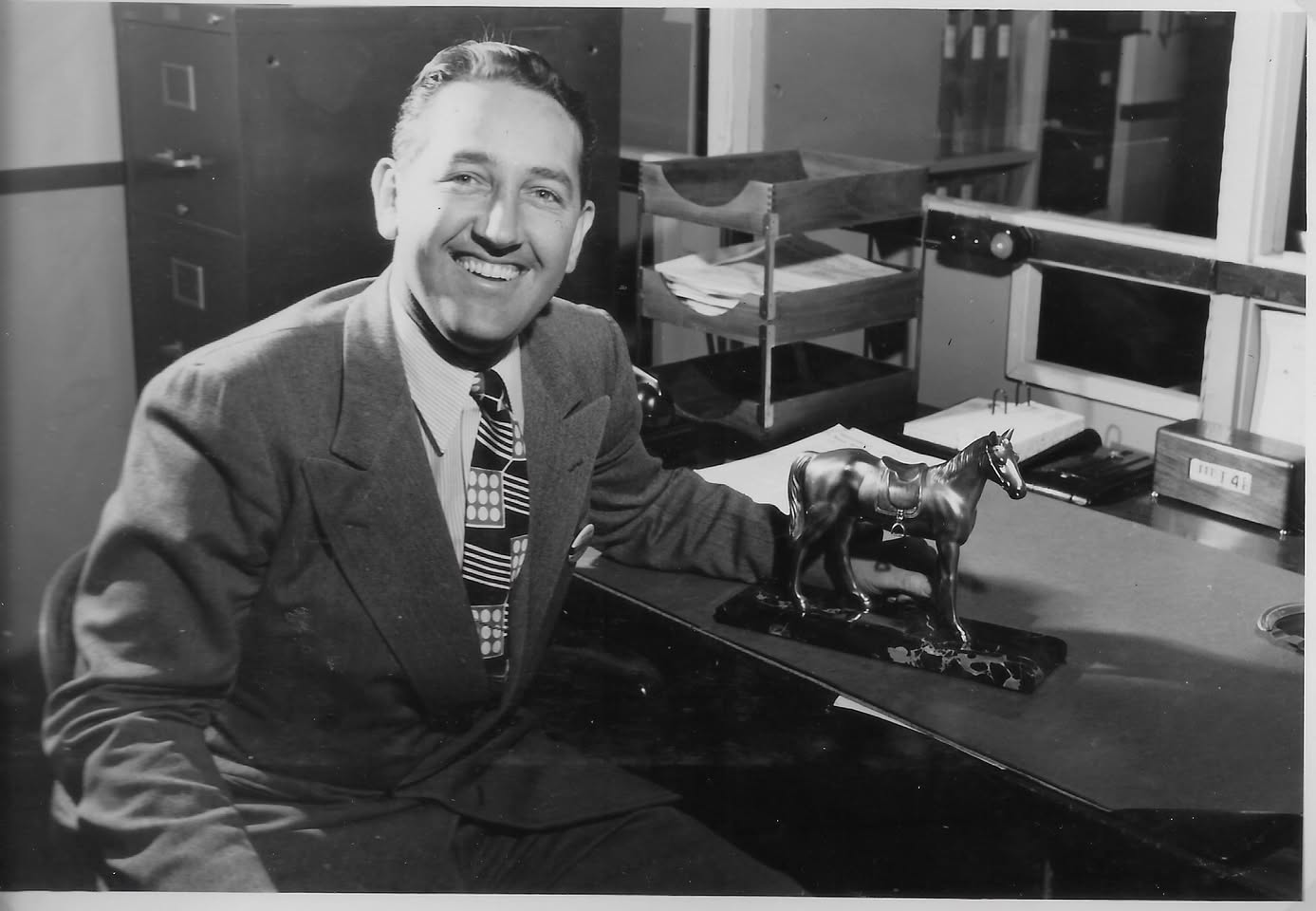
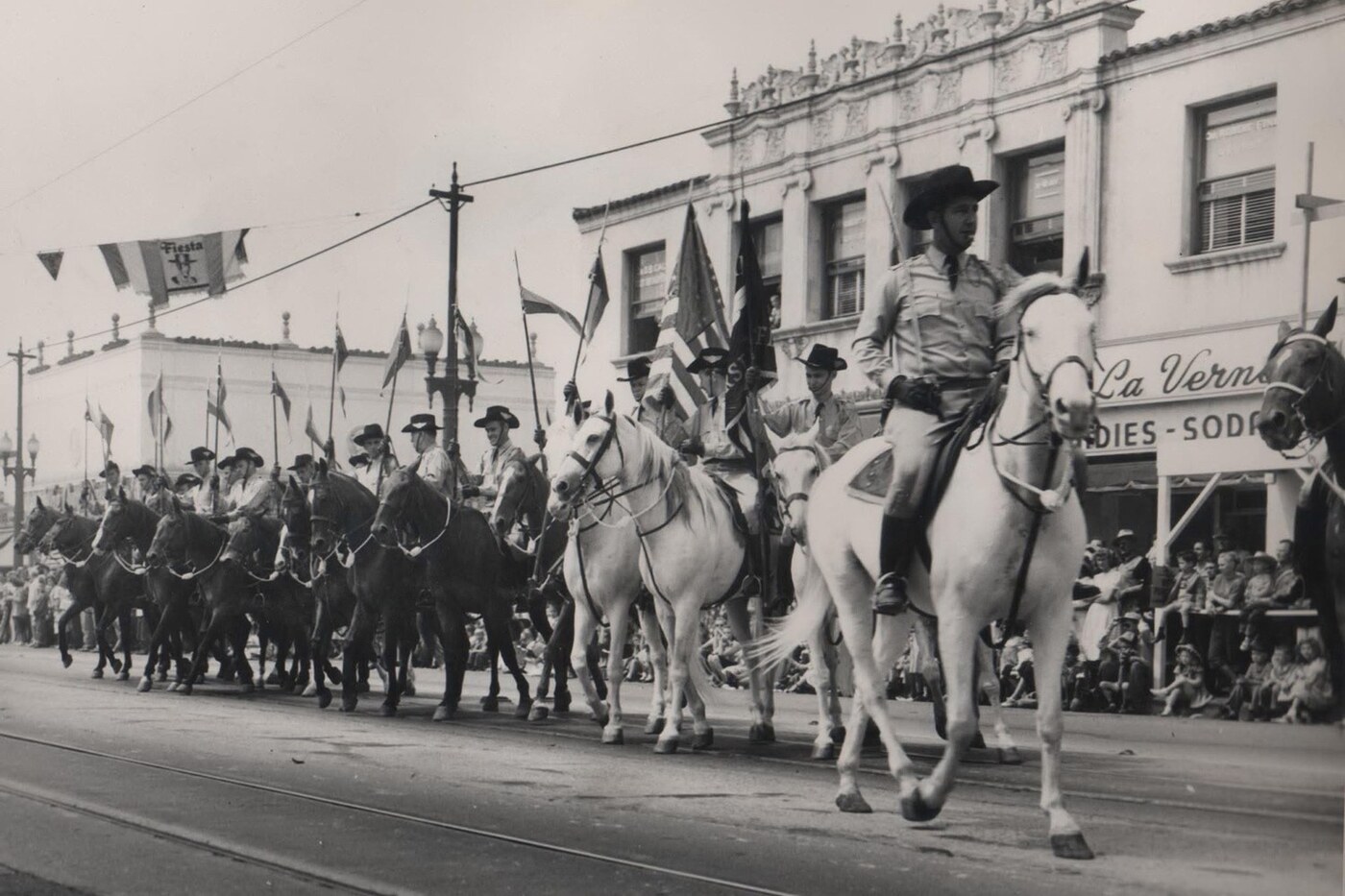
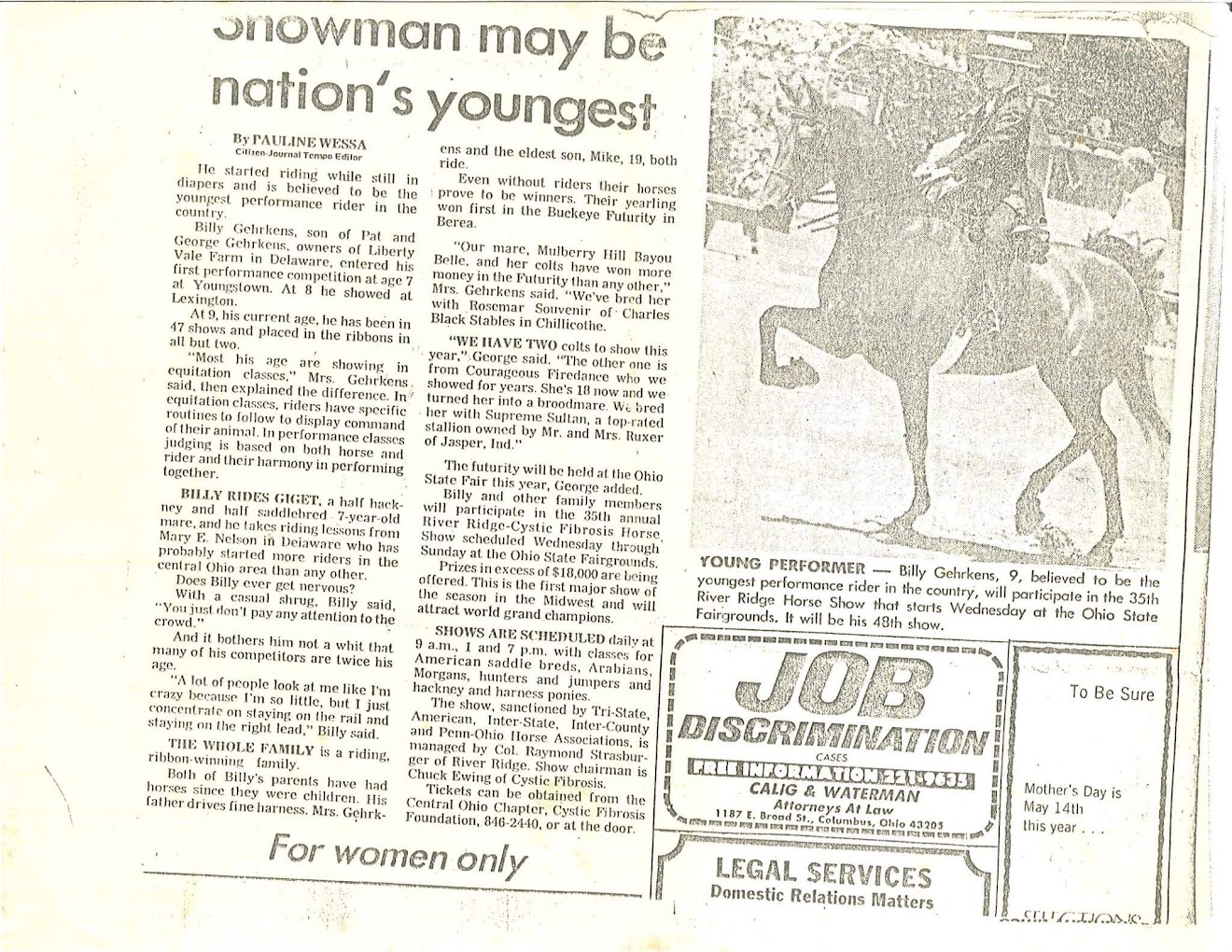
Horses were another part of what my family taught me. In the show ring, I learned to count strides, judge distance and timing, notice patterns, and adjust when the horse and I were out of balance. That was practical math, observation, and responsibility long before I used those words for technology. My father’s Flying Horsemen history and my own years showing horses gave me a shared language with him: pay attention to the whole system, and correct course while there is still time.
To me, he was Dad. He showed me avionics, electronics, and computers. More importantly, he taught me that a complicated machine is not magic. Study the parts. Learn how they work together. Know what can fail.
Robert F. Dorr taught me to keep asking questions
Robert F. “Bob” Dorr (1939–2016) devoted his life to aviation—as a U.S. Air Force veteran, a retired Senior Foreign Service officer, an aviation and military historian, and an extraordinarily prolific author. Over six decades, he wrote roughly 80 books and thousands of articles and columns about aircraft, air power, and the people behind the machines.
I was fortunate to know Bob as a friend and mentor. I contributed research to projects including Air Power Abandoned and Hitler’s Time Machine, and he credited me by name in Air Power Abandoned. His habit of questioning assumptions, connecting facts that others overlooked, and following the evidence wherever it led left a lasting mark on how I approach aviation history, systems, and difficult problems.
With permission from his son, I am proud to publicly recognize Robert F. Dorr as one of my mentors. His example continues to influence my work today.
 Air Power AbandonedRobert Gates, the F-22 Raptor and the Betrayal of America’s Air Force · Robert F. Dorr · 2015View the book on Amazon →
View Hitler’s Time Machine on Amazon →
Biographical facts verified through a Defense Media Network remembrance.
Carrying the aviation legacy forward
That aviation story did not end with my father. I am an active member of the Commemorative Air Force’s National Capital Wing in Culpeper, Virginia, where historic aircraft and the stories of the people behind them are preserved for future generations.
“Our mission is to educate, inspire, and honor through flight and living history experiences.”— Commemorative Air Force
Courtesy of the original publisher via YouTube. Embedded using the official YouTube player.
The Commemorative Air Force, its National Capital Wing, and other organizations referenced in this aviation section have not endorsed, sponsored, or approved me or Florida Keys Life. I support their aviation preservation and education work. The views and projects described here are my own.
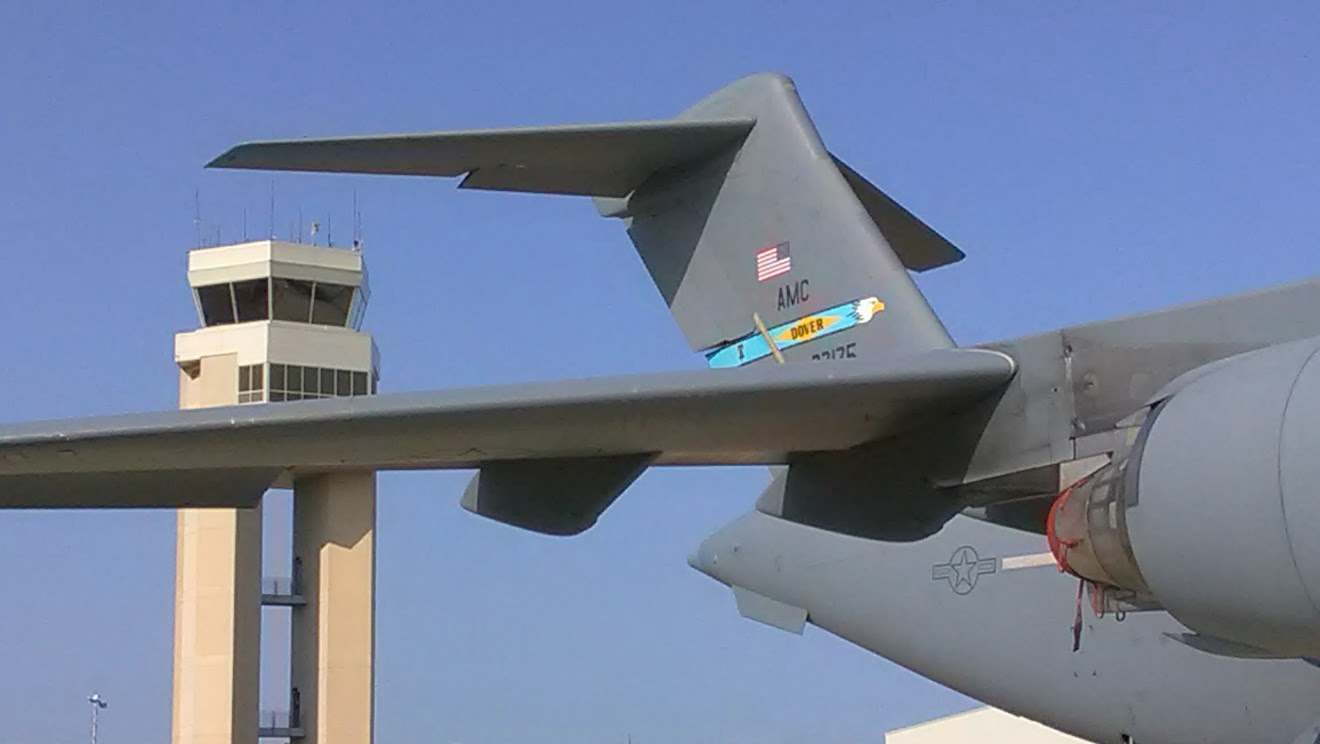
For me, the work is personal. My father helped shape the aircraft age as an engineer; I now help keep its history visible and alive. I also document aviation through my own photography, including this image I took at Andrews Air Force Base. It is one way I carry his legacy forward—not by claiming his accomplishments as my own, but by making sure the world he helped build is remembered.
The Vigilante brought the aviation story south
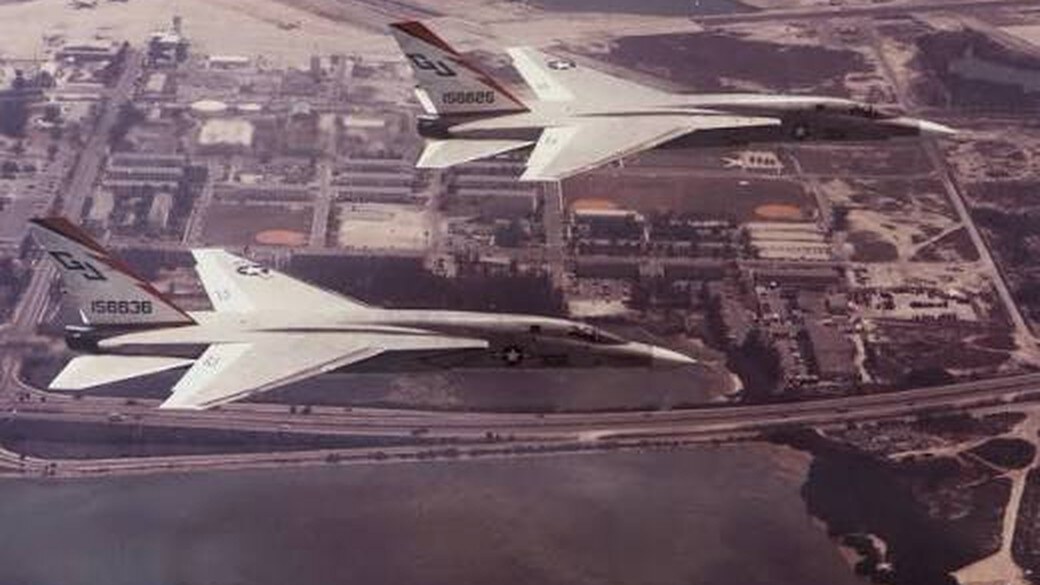
The North American A3J/A-5 Vigilante created a geographic bridge between my father’s engineering world and the Florida Keys.
In the aircraft’s later reconnaissance years, RA-5C Vigilantes operated from Naval Air Station Key West at Boca Chica. Family history remembers my father returning to the Vigilante world as a consultant during the same period that our family’s connection to the Keys was growing deeper.
The aircraft tied to his working life were now flying over the island chain that would become our family’s home.
The Vigilante’s Boca Chica service is documented. My father’s specific consulting assignment remains part of the family account until the underlying consulting or Navy records are recovered. That distinction matters: the story is powerful enough without asking the evidence to say more than it does.
Then the Keys became home
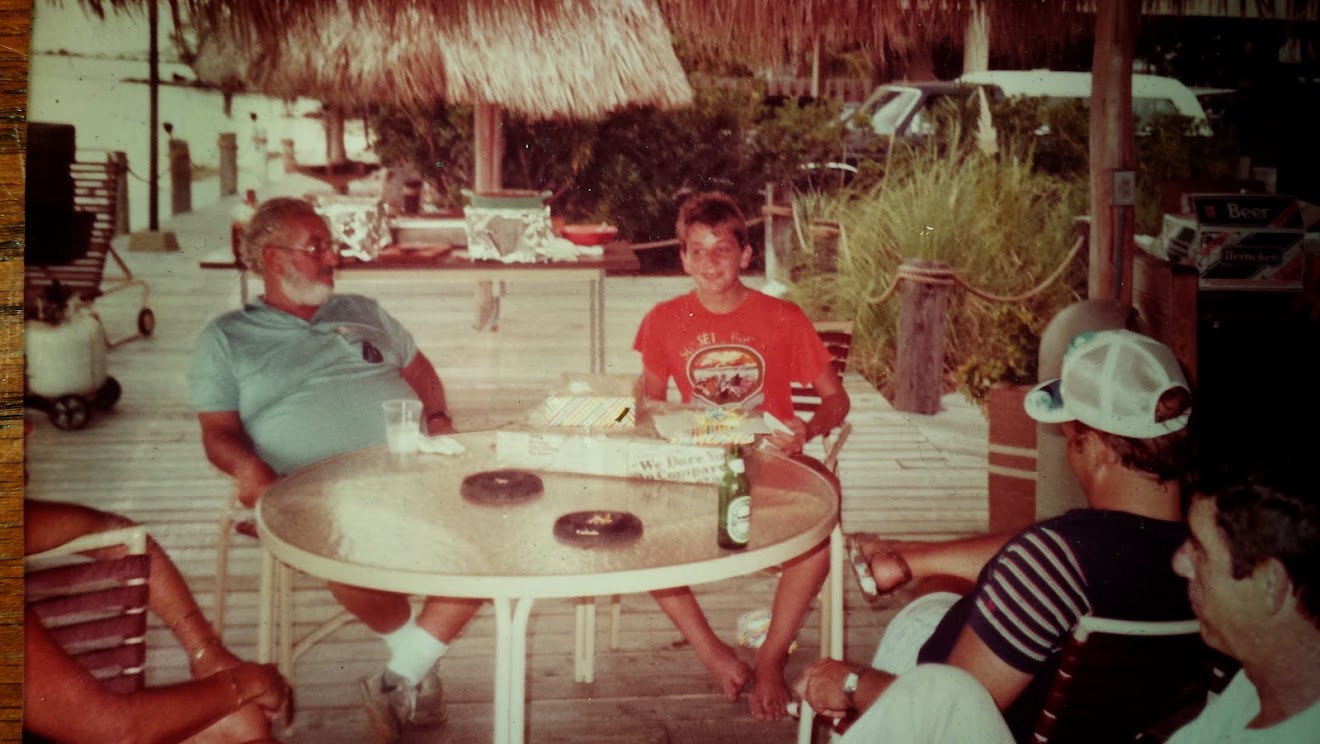
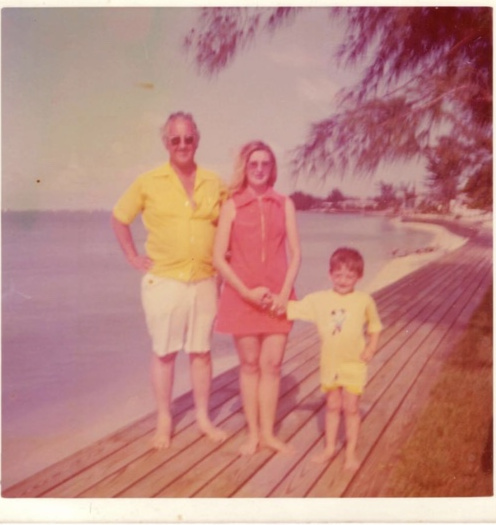
My parents eventually made Islamorada a major part of our family’s life. From 1982 through 2006, we operated a coastal restaurant, marina, tiki bar, raw bar, and lounge.
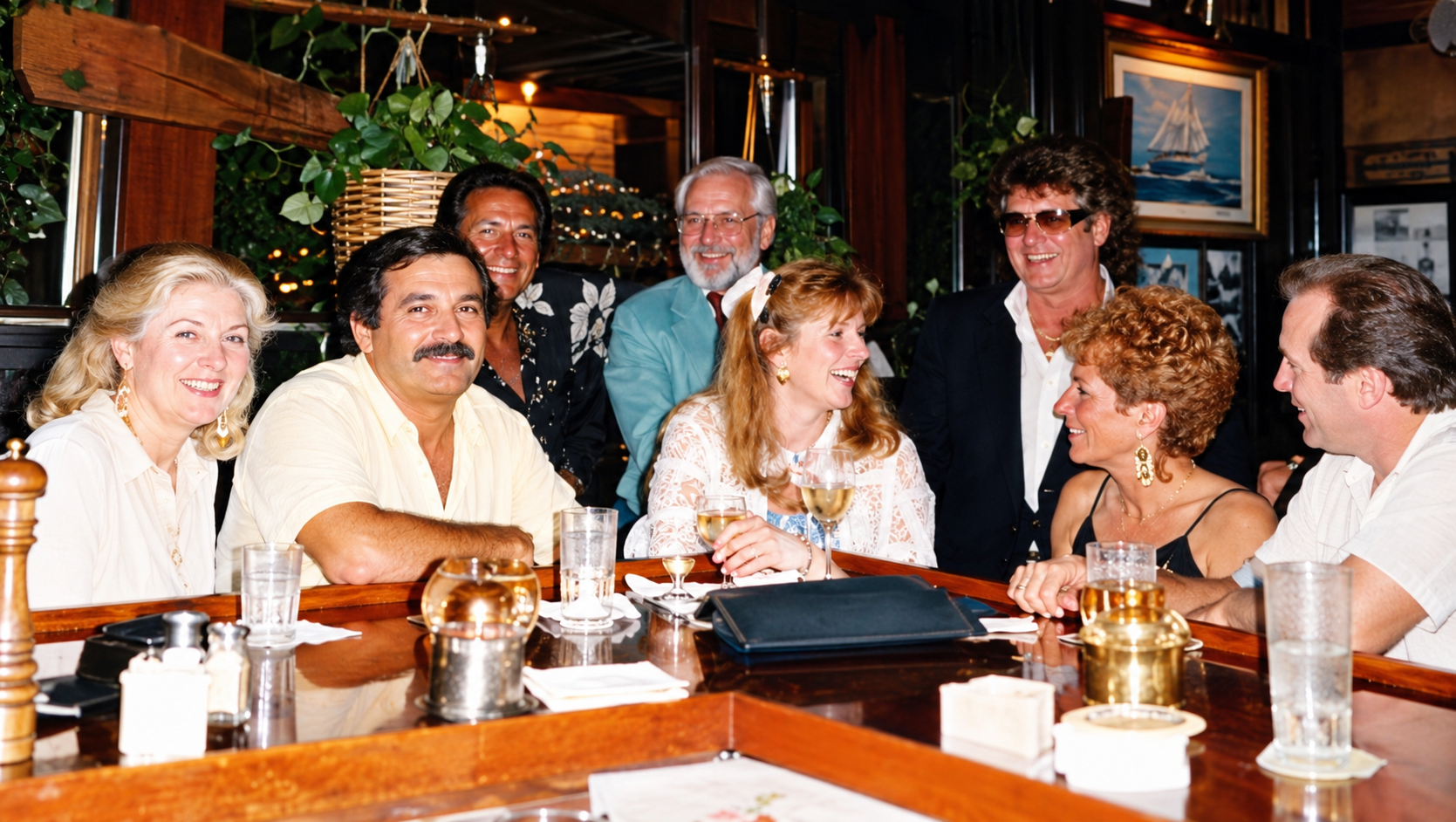
I grew up learning the dining room, kitchen, bar, docks, maintenance, guest service, and management. That taught me something no textbook could: a real business is a collection of systems that affect one another every day.

The weather affects the boats. The boats affect the docks. Fishing affects the guests. The kitchen depends on timing. Salt damages equipment. A storm can change the entire plan in a few hours.
The Keys were not just a backdrop for our family. They were the classroom.
Patricia Gehrkens was an Islamorada businesswoman in her own right
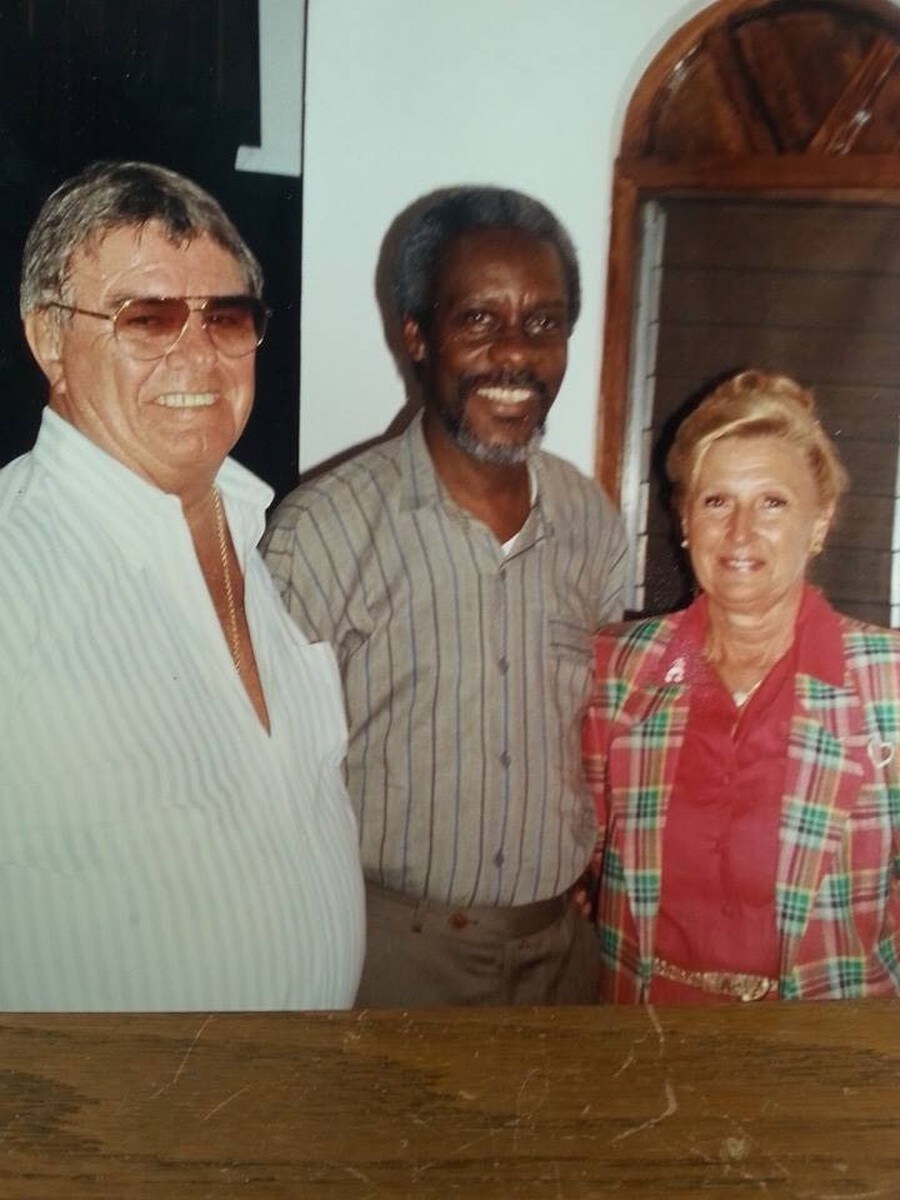
That history should not reduce my mother to the keeper of our family archive. Patricia Van Keuren Gehrkens was a businesswoman in Islamorada and part of the leadership behind a demanding coastal operation that served residents, visitors, boaters, and employees for more than two decades.
Her surviving files contain a series of 2005 and 2006 communications from the National Republican Congressional Committee and related business and political programs, all addressed to her in Islamorada. One Business Advisory Council memo described her as “a successful business leader from Florida.” Other correspondence said she had been selected for the Presidential Business Commission, named for a Ronald Reagan Republican Gold Medal, and accepted as an honorary chair in the House Majority Trust.
These were political-committee and fundraising communications—not federal appointment records—and several requested contributions. I present them as contemporary evidence of how national organizations identified and recruited Patricia in her own name, not as proof that she held public office. What they clearly preserve is recognition of her independent identity as a Florida business leader.
That distinction matters. Women in family businesses are too often remembered only as supporting figures. Patricia had a business identity, relationships, and public standing of her own—and the surviving record deserves to say so.
Today the network moves faster than the fleet
The WIC showed what happens when authority is distributed across oceans. My father showed me how complicated machines must be understood, tested, and controlled. The Keys showed me that no system stands alone: weather changes boating, boating changes business, water quality changes the reef, and the reef changes life across the island chain.
Artificial intelligence brings those lessons together. AI can search, write, analyze, communicate, use tools, and increasingly take action across companies, clouds, vendors, and national borders. Unlike a seventeenth-century fleet, it can move in seconds.
The comparison is not that an AI company is literally the WIC. The comparison is structural. Both are distributed systems that extend the reach of people and institutions. Both can separate the person who authorizes an action from the place where its consequences appear. Both raise the same basic questions:
- Who gave the system permission?
- What information may it use?
- What action is it actually authorized to take?
- Can a human stop it before harm occurs?
- Can we reconstruct what happened and provide meaningful recourse?
A capable AI system can still be wrong. It can rely on stale information, misunderstand consent, exceed the terms of use, or act faster than the person responsible for it can react. That is why human authority must be explicit, limited, reviewable, and enforceable before a consequential action begins.
The operating principle is simple: know what the system is doing, require authorization before it acts, verify the result, and preserve a record that a human can inspect afterward.
Explore the public AI Oversight Initiative and its GitHub repository for related work on human oversight and AI accountability.
The technology changed. The governance problem did not.
AI should help communities—not hollow them out
I do not want artificial intelligence to remove people from everything. I want it to make people more capable.
A teenager in the Keys should not have to move to Silicon Valley to participate in the next technology economy. A charter captain should have tools once limited to giant companies. A marine scientist should be able to study environmental data faster. A small hotel, restaurant, or dive shop should be able to compete without hiring a huge technology department.
The same applies to children. Parents should not be told to “trust the algorithm.” They should be able to ask who authorized the system, what information it can use, whether an adult can stop it, and whether anyone can reconstruct what happened afterward.
Those sound like technology questions. They are really questions about human responsibility.
Taking the question from the Keys to New York
That is the question I am taking to United Nations Digital Cooperation Day 2026 in New York.
I am not arriving to claim that I solved global AI governance. I have not. I am going to listen, to learn, and to ask independent experts and institutions to challenge the work. Internal testing is not enough when the technology may eventually cross companies, computer systems, and national borders.
My participation has been confirmed. The question I am carrying from the Florida Keys is straightforward:
How do we keep meaningful human authority as AI becomes more capable of acting in the world?
The United Nations has not endorsed, sponsored, or certified our work. Participation gives us an opportunity to listen, learn, and ask better questions.
Florida Keys Life on the UN Digital Cooperation Portal.
History does not repeat itself. The responsibility does.
The WIC, aviation history, the Florida Keys, and artificial intelligence may sound like separate subjects. To me, they form one story about power, systems, evidence, and responsibility.
Four hundred years ago, power moved through the Florida Straits aboard armed sailing ships. Today, it moves through networks, cloud infrastructure, and software.
The ships became networks. The written orders became digital instructions. The months between action and review collapsed into seconds. But the central question remains.
Who holds the power, who grants the authority, and who remains responsible?
We should answer that together—before technology answers it for us.
From the Florida Keys to a Global Conversation
Florida Keys Life began with a deeply local perspective — shaped by Florida Bay, the islands, the people who live here, and generations of experience tied to the water.
But the challenges facing places like the Florida Keys are no longer only local.
Artificial intelligence, digital infrastructure, environmental change, economic development, and the decisions made by institutions around the world increasingly intersect. What happens in one community can become part of a much larger global system.
That is why Florida Keys Life is bringing a Florida Keys perspective into a global conversation about technology, stewardship, and the future.
Our message is straightforward:
For Florida Bay, that means protecting mangroves, seagrass, coral reefs, fisheries, wildlife, clean water, and the communities whose lives depend upon them.
For artificial intelligence, it means developing systems with meaningful human oversight, accountability, transparency, and responsible governance.
These are not separate missions.
They are part of the same question:
How do we use the extraordinary tools available to us today to preserve what cannot be replaced tomorrow?
From the Florida Keys to New York and beyond, Florida Keys Life is bringing a local voice into an international conversation about responsible innovation, environmental stewardship, and what we leave for future generations.
Local Waters. Global Impact.
Florida Keys Life™
AI disclosure and source notes
AI disclosure
OpenAI tools materially assisted this work as research, drafting, organizational, analytical, technical-documentation, and production aids. AI-generated material was reviewed, revised, accepted, or rejected by William H. Gehrkens and was not treated as independent evidence, legal authority, or autonomous approval.
OpenAI did not authorize our actions, certify our governance system, endorse the research, verify our historical conclusions, or assume responsibility for what Florida Keys Life publishes. Final editorial judgments, factual claims, source selections, and publication decisions remain the responsibility of William H. Gehrkens and Florida Keys Life™.
Sources
- Chester Van Keuren, A History of the Van Keuren Family (1990), a family-compiled genealogy and archive.
- Nationaal Archief, Oude WIC inventory 1.05.01.01, including the October 6, 1640 inventory for the prize ship Bon Succes captured at “Caijes de Florida.” View the archive.
- British Museum / Wikimedia Commons, Verovering vande silver-vloot inde Bay Matanca AD. 1628, a public-domain seventeenth-century print depicting Dutch ships surrounding the Spanish silver fleet. View the image record.
- Patricia Van Keuren Gehrkens family archive: 2005–2006 National Republican Congressional Committee, Business Advisory Council, Presidential Business Commission, and House Majority Trust correspondence addressed to her in Islamorada. These political and fundraising materials are cited as contemporary evidence of how their senders identified her, not as proof of federal appointment or independent validation of an award.
- United Nations Office for Digital and Emerging Technologies, Digital Cooperation Day 2026. View event information.
- Paul R. Van Keuren aviation history: 1946 U.S. Marine Corps Air Facility pass, obituary, St. Louis Flying Service card, and family archive. The Miami–Caribbean mail route and Christmas in Key West are preserved as family history pending recovery of a flight log or contemporaneous weather record.
- George R. Gehrkens aviation history: surviving North American Aviation publications, patents, wartime technical material, archived obituary, and family archive. Unverified recollections remain identified as family history.
- Robert F. Dorr biography: Defense Media Network remembrance documenting his Air Force service, Foreign Service career, aviation writing, and body of published work. Personal mentorship, research contributions, and permission to identify him as a mentor are William H. Gehrkens’s firsthand account.
- Commemorative Air Force, “Our History & Mission.” Read the official mission. National Capital Wing membership and Andrews Air Force Base photograph: William H. Gehrkens personal account and photograph.
- Other family photographs and identifications remain attributed to the family archive unless independently documented. The two George Gehrkens Flying Horsemen photographs are credited to the North American Flying Horsemen Facebook photo collection.

Founder, Florida Keys Life™
September 2026